Falls tend to rise in autumn and winter because the evenings turn dark, paths get wet and icy, and cold weather makes us stiffer and less active. The clocks going back does not cause falls by itself, but it is the day the evenings suddenly get dark, so it is the best day to get ready.
This year the clocks go back on Sunday 25 October (GOV.UK). This guide is for older adults and for the family and carers who worry about them. It looks at what changes with the seasons. For a room-by-room check of the house, read our guide to assessing fall risks at home.
Why autumn and winter are riskier
Falls can happen in any month. But the season changes several things at once.
- Darker evenings and night-time trips. After the clocks go back, it gets dark an hour earlier by the clock. The walk to the bin, the trip to the shop and the visit to a neighbour may now happen after dark. Getting up in the night is harder when you cannot see the floor, and your eyes take longer to adjust to low light.
- Wet leaves and ice. Wet leaves can hide uneven ground and become very slippery. Frost and black ice (a thin, clear layer of ice) are hard to spot. A short step outside can feel risky.
- Cold muscles and stiffer joints. When you are cold, muscles can feel tight and joints stiffer. Your legs may react more slowly if you trip, so a small stumble is more likely to turn into a fall.
- Less activity and less daylight. Many people go out less in the cold. Less walking can mean weaker legs and poorer balance over time. The NHS also advises thinking about a daily vitamin D supplement in autumn and winter, when sunlight is weaker (NHS vitamin D). Ask your pharmacist or GP if you are unsure.
- Shorter days, mood and routine. Dark days can lower mood, and some people get what the NHS calls seasonal affective disorder. A body clock that has not caught up with the new time can also mean broken sleep, tiredness and skipped meals or drinks. All of these raise the chance of a slip.
10 autumn fixes for older adults
You do not need to do everything this weekend. Pick two or three, then work through the rest over the next few weeks.
- Add night lights. Poor light is one of the easiest things to fix. Plug-in night lights, or ones that switch on when they sense movement, make the way from bed to bathroom much safer. Do this: light the whole route, including the landing and the bathroom door.
- Keep a torch by the bed. A torch (or a bedside lamp you can reach without getting up) helps if you wake in the dark or there is a power cut. Do this: put fresh batteries in the torch on the day the clocks change, and keep a second one by the front door.
- Clear the leaves and grit the paths. Sweep leaves off paths, steps and the doorstep before they turn to mush. When frost is forecast, ordinary table salt works for gritting, and the Met Office has more tips on staying safe in ice. Do this: keep a bag of salt or grit by the door, and ask a neighbour or relative to help if bending is hard.
- Wear grippy shoes outside. Summer sandals and smooth soles do not cope with wet ground. Age UK suggests shoes with a good grip, and it matters most in wet or icy weather (Age UK). Our guide to choosing the right footwear explains what to look for. Do this: check the soles for wear, and consider clip-on ice grips for icy days. Take them off before you go indoors, as they are slippery on hard floors.
- Keep the home warm. The NHS advises heating the rooms you use most, such as the living room and bedroom, to at least 18°C, especially if you are older or have a health condition (NHS). Warm muscles move more easily, and Age UK has more ideas in its winter health advice. Do this: wear layers indoors and warm the bedroom before bedtime.
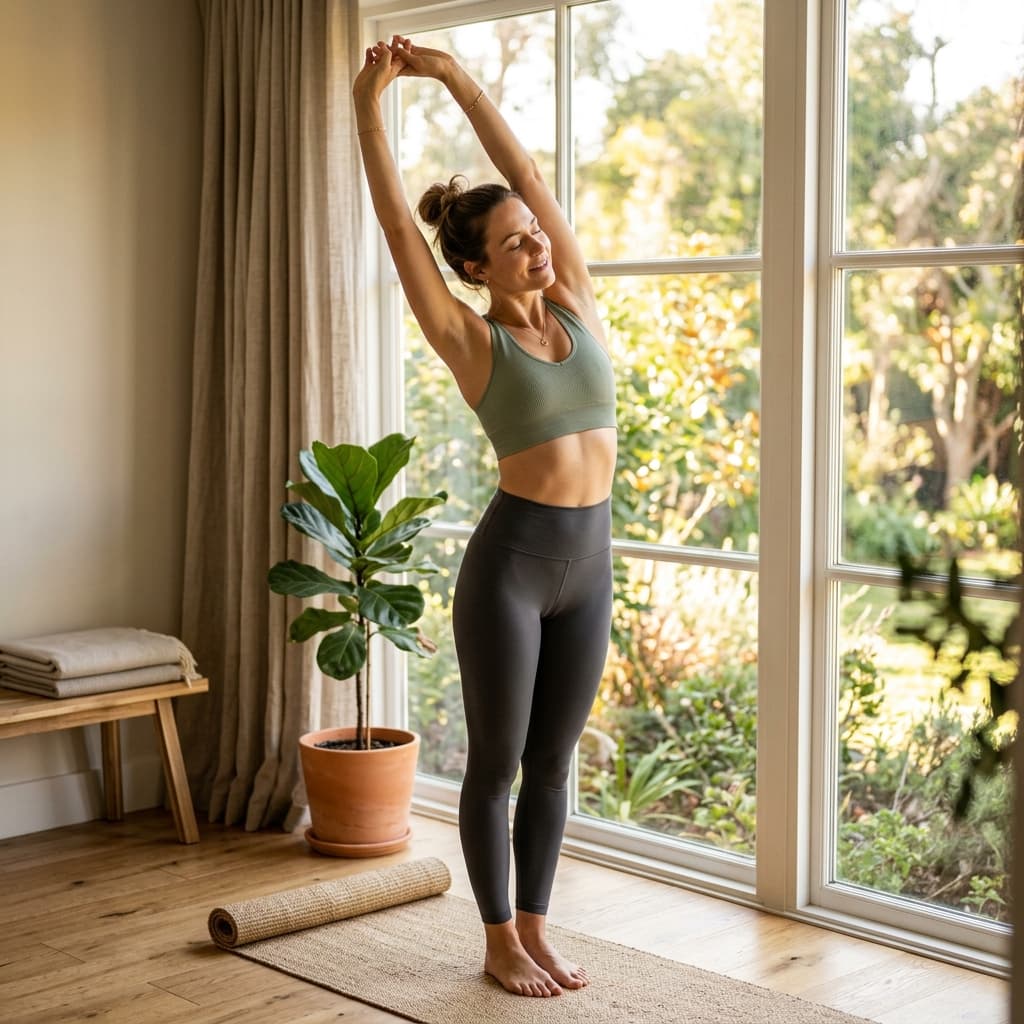
- Keep moving indoors. The NHS says adults aged 65 and over should do strength, balance and flexibility activities on at least two days a week. Chair-based strength exercises and balance exercises can be done at home. Do this: stand up from a sturdy chair ten times, holding on if you need to, every day while you wait for the kettle or the adverts.
- Drink regularly. In cold weather we often feel less thirsty, and some people drink less to avoid night-time trips to the toilet. Being short of fluid can make you dizzy when you stand up. Read more in our guide to dehydration, low blood pressure and falls. Do this: have a drink with each meal and each time you make a cuppa, and take more of your fluids earlier in the day. Tell your GP if you need the toilet often at night.
- Get your eyes checked. Poor sight makes steps, kerbs and wet paths harder to judge, especially in low light. In England, people aged 60 and over can have a free NHS sight test (NHS). Do this: book a test before the darkest months, and ask your optician about glasses for walking outdoors, as varifocals can make steps trickier.
- Make a plan for getting help. Plan ahead for what happens if you fall and cannot get up. Do this: keep a phone or a personal alarm on you, not on the table. Agree a time for a daily call with a family member or friend. Consider a key safe so helpers can get in. Read our guide to getting up safely from a fall so you know the steps.
- Look out for each other. Neighbours can spot problems early, such as curtains still closed at midday or a path that has not been cleared. Age UK asks everyone to check on older neighbours in winter. Do this: swap phone numbers with a neighbour, and offer to bring in shopping or prescriptions on icy days so nobody has to go out.
What to do if a fall happens
Stay calm and do not rush to get up. Take a moment to check for pain or injury.
- Call 999 if you think you have hurt your head, neck, back or hip, or if you cannot get up.
- If you can, get up slowly. The NHS advises rolling onto your side, getting onto your hands and knees, and then using something sturdy to pull yourself up. Our guide to getting up safely from a fall shows each step.
- Keep warm while you wait. Pull a coat, blanket or rug over you. In winter, the cold is a danger in itself if you lie on the floor for a long time.
- Call for help. Use your alarm or phone, or bang on the wall or floor.
- If you find someone on the floor, do not try to lift them. Call 999 and keep them warm until help arrives.
Tell your GP or call NHS 111 after any fall, even if you feel fine. The NHS falls page explains who to contact. A fall is a useful warning sign, and your GP can check your medicines and refer you to a falls service.
When a balance assessment makes sense
You do not have to wait for a fall. A balance assessment makes sense if you or your parent:
- has fallen, or nearly fallen, in the past year,
- holds on to furniture or walls to get around,
- feels unsteady on stairs, kerbs or uneven ground,
- has stopped going out because of a fear of falling,
- is dizzy on standing (see your GP about this first), or
- has become weaker after an illness, a hospital stay or a change of medicine.
A physiotherapist will watch how you stand and walk, test your leg strength and balance, and talk about your home and daily routine. You then get a simple exercise plan that suits you, and practical advice for the winter ahead. Exercise that targets strength and balance is one of the best-supported ways to reduce falls, and the best programmes are made for the person doing them.
Rehalign provides private physiotherapy at home across Birmingham, Solihull, Walsall, Wolverhampton, Coventry, Dudley and Telford. You do not need a GP referral.
Frequently Asked Questions
The clock change itself is not what causes falls. But it marks the start of the darker months, with earlier dusk, wetter paths and colder days. These all raise the risk, so late October is a good time to get ready.
The NHS advises at least 18°C in the rooms you use most, such as the living room and bedroom, especially if you are older or have a health condition. Layers, a warm drink and a warm bedroom before bedtime all help you stay comfortable and move easily.
If you can, stay in when ice is forecast. Check the [Met Office weather warnings](https://weather.metoffice.gov.uk/warnings-and-advice/uk-warnings) and ask someone to bring shopping or prescriptions. If your parent must go out, they should wear shoes with a good grip, take their time and keep to cleared paths.
Not necessarily, but it can help. If they are unsteady, avoid going out, or worry about falling, an assessment can find the cause and give them exercises to build confidence. It is much better to prepare before a fall than to wait for one.