Speakable Summary
If your loved one is struggling to walk, recovering from surgery, experiencing repeated falls, or finding it difficult to complete everyday activities, delaying physiotherapy can slow recovery. Early home physiotherapy provides personalised rehabilitation in the comfort and safety of their own home, helping improve mobility, confidence, strength, and independence.
When Waiting Can Make Recovery Harder
After a stroke, joint replacement, illness, or a fall, many families assume that recovery simply takes time. While healing is important, waiting too long to begin rehabilitation can often result in reduced mobility, muscle weakness, joint stiffness, increased pain, and a greater risk of losing independence.
One of the most common misconceptions is that physiotherapy should only begin once someone feels stronger. In reality, early rehabilitation is often most effective because it helps the body relearn movement patterns before poor habits become established.
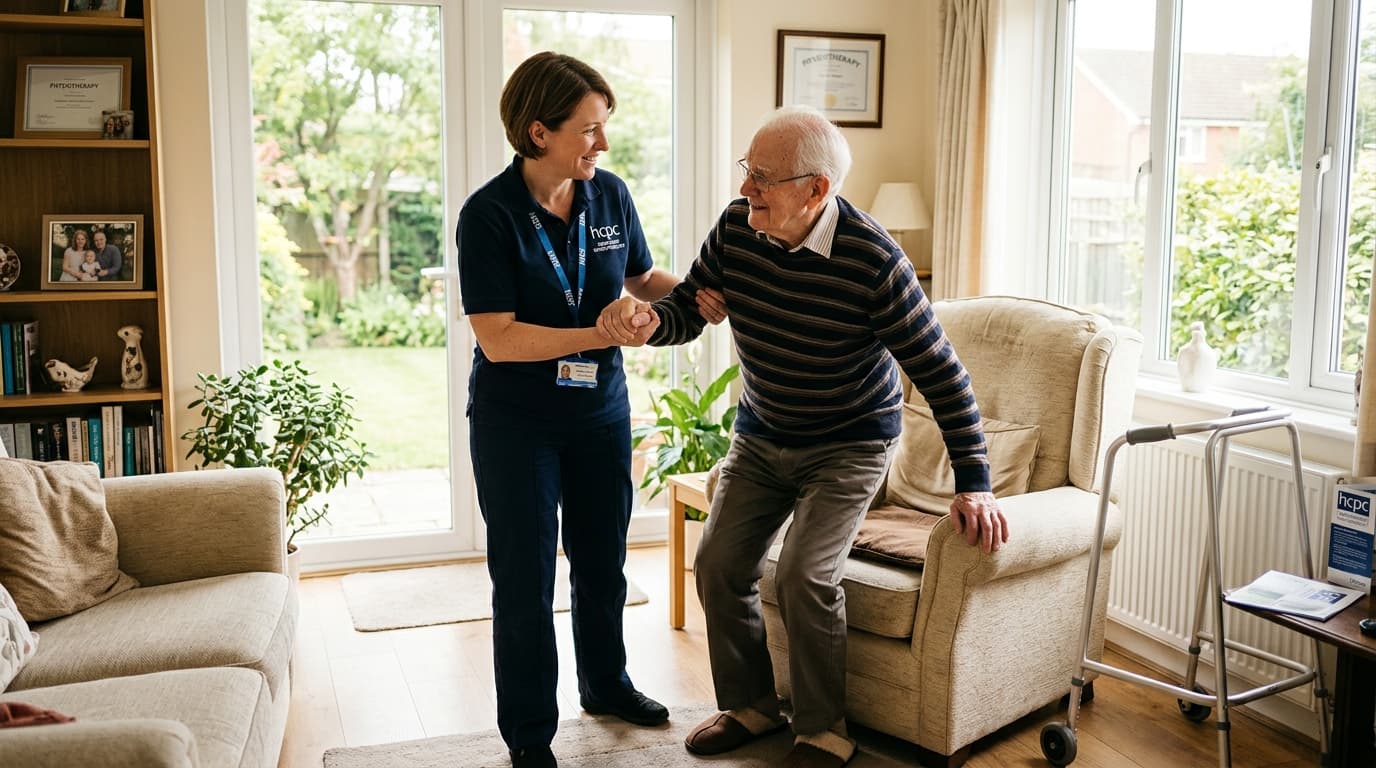
Home physiotherapy removes many of the barriers that prevent people from accessing treatment. Rather than travelling to a clinic, a qualified physiotherapist visits the patient's home, assesses their real living environment, and develops a rehabilitation programme tailored to their everyday needs.
If you're unsure whether now is the right time, the following ten signs can help you decide. For a full comparison between clinic and home visits, read our guide on At-Home vs Clinic Physiotherapy.
1. They're Struggling to Walk Around the House
Walking should not become progressively more difficult after hospital discharge.
If your loved one:
- walks much slower than before
- shuffles their feet
- needs furniture for support
- becomes exhausted after short distances
- avoids walking altogether
they may already be losing strength and confidence.
Walking difficulties rarely improve by resting alone. Weak muscles quickly become weaker through inactivity, making recovery increasingly difficult.
A home physiotherapist can assess:
- walking pattern
- muscle strength
- balance
- endurance
- walking aid suitability
They then create a programme designed specifically for movement within the patient's own home.
2. They've Had One or More Recent Falls
One fall is concerning.
Two falls should never be ignored.
Falls are often caused by a combination of:
- muscle weakness
- reduced balance
- poor coordination
- dizziness
- environmental hazards
- reduced confidence
Many older adults become fearful after falling, limiting their activity to avoid another accident. Unfortunately, this creates a cycle where inactivity leads to further weakness, increasing future fall risk. For detailed strategies on maintaining independence in seniors, explore our article on Elderly Rehabilitation & Fall Prevention at Home.
Home physiotherapy focuses on:
- improving balance
- strengthening lower limbs
- practising safe transfers
- improving reaction times
- identifying hazards within the home
Because treatment occurs in the patient's own environment, therapists can recommend practical modifications that may significantly reduce future risk.
3. They Need Help Getting Out of a Chair
Difficulty standing from a chair is often one of the earliest indicators of declining lower body strength.
Watch for signs such as:
- rocking several times before standing
- pushing heavily through both arms
- needing assistance from another person
- avoiding low chairs completely
Standing up is a movement repeated dozens of times every day.
If it becomes difficult, almost every other daily activity also becomes harder.
Home physiotherapy includes progressive strengthening exercises targeting the muscles responsible for standing, walking, climbing stairs and maintaining independence.
4. They're Recovering From Surgery
Whether recovering from:
- knee replacement
- hip replacement
- spinal surgery
- fracture repair
- shoulder surgery
rehabilitation is just as important as the operation itself.
Without structured physiotherapy, patients may experience:
- persistent swelling
- reduced range of motion
- muscle weakness
- stiffness
- delayed recovery
- reduced confidence
Home visits are particularly valuable during the early weeks after surgery when travelling to clinics may be painful or impractical. Learn more about post-surgical red flags in our guide 5 Signs You Need Post-Surgery Rehab at Home.
Treatment can include:
- mobility training
- stair practice
- swelling management
- strengthening exercises
- walking progression
- functional rehabilitation
5. Everyday Activities Are Becoming More Difficult
Many people don't notice gradual decline until routine tasks become challenging.
Examples include:
- getting dressed
- climbing stairs
- making meals
- getting into bed
- using the bathroom
- carrying shopping
- standing in the kitchen
These difficulties often indicate reduced functional strength rather than ageing alone.
A home physiotherapist focuses on improving the specific movements required for everyday independence instead of simply prescribing generic exercises.
6. They're Spending More Time Sitting or Lying Down
Reduced activity is one of the fastest ways to lose muscle strength.
Even short periods of inactivity can contribute to:
- muscle loss
- joint stiffness
- poorer circulation
- reduced endurance
- increased falls risk
People often reduce activity because movement becomes uncomfortable.
Unfortunately, avoiding movement frequently makes symptoms worse.
Home physiotherapy encourages gradual, safe increases in activity levels tailored to each person's abilities and medical condition.
7. Pain Is Stopping Them From Moving
Persistent pain often causes people to avoid movement altogether.
This can lead to:
- weaker muscles
- stiffer joints
- poorer balance
- increased disability
Physiotherapy aims to reduce pain by improving movement quality rather than relying solely on rest or medication.
Treatment may include:
- strengthening
- stretching
- manual therapy where appropriate
- movement education
- pacing advice
- posture correction
8. They're Losing Confidence
Recovery is not only physical.
Many people become anxious after:
- surgery
- stroke
- hospital admission
- repeated falls
They may worry about:
- falling again
- leaving the house
- walking independently
- becoming a burden
Loss of confidence often limits recovery more than physical impairment. For stroke survivors specifically, review our clinical breakdown of Stroke Recovery at Home: Neurological Physiotherapy and NHS vs Private Home Visit Stroke Rehab.
Home physiotherapy helps rebuild confidence through gradual exposure to real-life tasks in familiar surroundings, allowing patients to regain trust in their abilities.
9. Family Members Are Becoming Full-Time Carers
Many families naturally begin helping more with:
- transfers
- washing
- dressing
- walking
- stairs
While support is important, increasing dependence may indicate that professional rehabilitation is needed.
Home physiotherapists can:
- teach safe handling techniques
- reduce strain on carers
- encourage patient independence
- recommend suitable equipment
- establish realistic rehabilitation goals
Supporting both the patient and their family is an important part of successful home rehabilitation.
10. Progress Has Stalled
Perhaps the most significant warning sign is that recovery has simply stopped.
This might look like:
- walking no further than several weeks ago
- no improvement in strength
- increasing stiffness
- reduced confidence
- persistent fatigue
- ongoing reliance on walking aids
Plateaus don't always mean recovery has finished.
Often, they indicate that rehabilitation needs to be reassessed and progressed appropriately.
A comprehensive home physiotherapy assessment can identify barriers to recovery and provide a structured plan to help patients move forward safely. Read what to expect during your initial consultation in First Home Visit: What to Expect in Your Assessment.
Why Home Physiotherapy Can Be More Effective
For many people, rehabilitation is most meaningful when it happens where everyday life takes place.
Instead of practising stairs in a clinic, patients practise their own staircase.
Instead of learning transfers from unfamiliar chairs, they use their own furniture.
Instead of discussing trip hazards, therapists identify and address them directly within the home.
This real-world approach allows rehabilitation to be personalised to the patient's goals, environment, and daily routine.
Frequently Asked Questions
When should someone start home physiotherapy?
In many cases, rehabilitation should begin as soon as it is medically appropriate following illness, surgery, or hospital discharge. Early intervention can help prevent stiffness, muscle weakness, and loss of confidence.
Who benefits most from home physiotherapy?
Home physiotherapy may be suitable for people recovering from stroke, joint replacement surgery, fractures, neurological conditions, falls, or those who find travelling to clinics difficult.
Is home physiotherapy only for older adults?
No. While many older adults benefit from home rehabilitation, it can also support younger adults recovering from surgery, injury, or neurological conditions.
What happens during the first home visit?
The physiotherapist typically assesses mobility, strength, balance, pain, functional abilities, and personal goals before creating an individualised rehabilitation programme tailored to the patient's home environment.
How often is home physiotherapy needed?
The frequency depends on each person's condition, recovery stage, and rehabilitation goals. Following assessment, the physiotherapist will recommend a suitable treatment schedule.
When Should You Seek Professional Advice?
If your loved one is experiencing several of the signs described above, it may be time to arrange a professional physiotherapy assessment rather than waiting for improvement to happen naturally.
Early rehabilitation often helps people regain confidence, improve mobility, and maintain independence before small challenges become larger obstacles.
How Rehalign Can Help
Rehalign provides HCPC-registered home physiotherapy across Birmingham and the West Midlands, delivering personalised rehabilitation in the comfort of your own home. Whether your loved one is recovering from surgery, living with the effects of a stroke, managing mobility problems, or aiming to reduce their risk of falls, our experienced physiotherapists develop treatment plans tailored to individual goals and home environments.
If you're unsure whether home physiotherapy is the right option, arranging an assessment can provide clarity and help identify the most appropriate next steps for recovery.