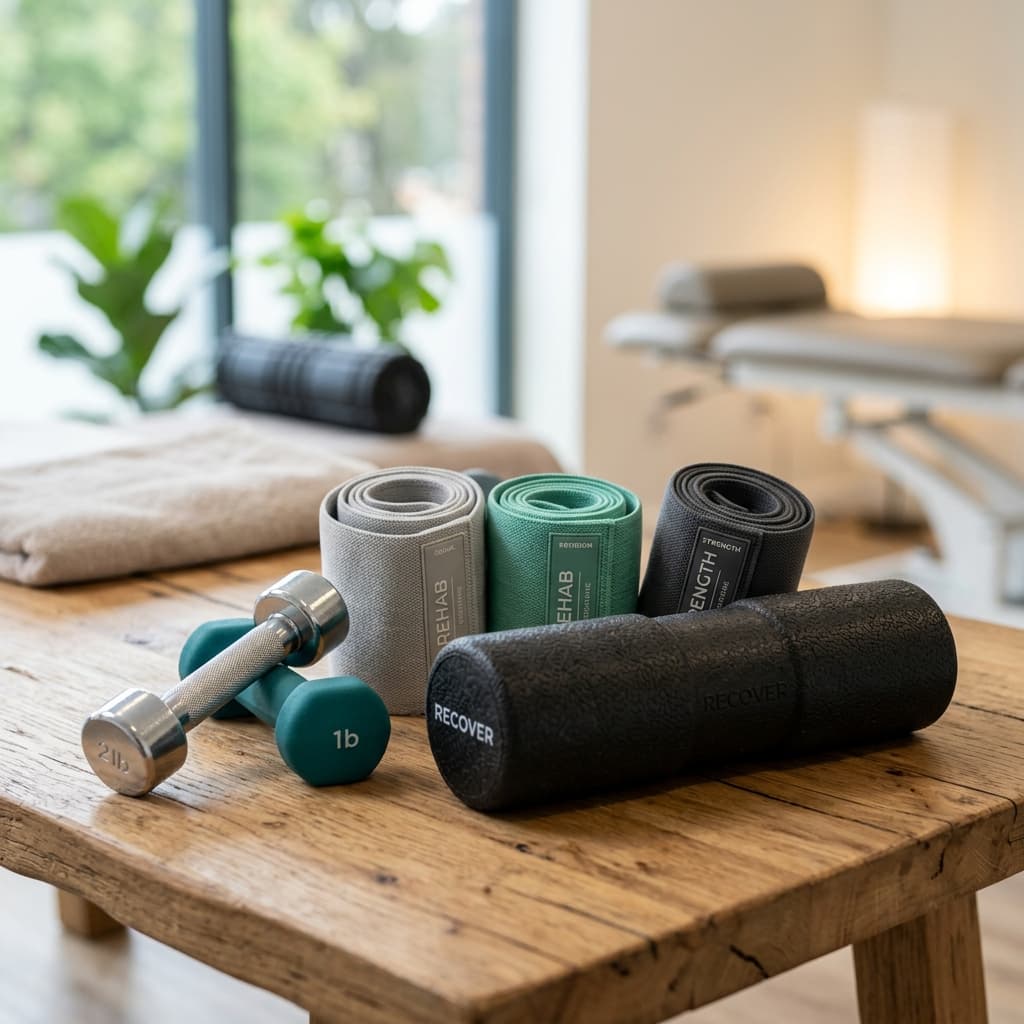
The best way to prepare for a hip or knee replacement is to get your muscles a little stronger, practise the moves you will need afterwards, and set up your home so the first two weeks are easy. A few weeks of steady, gentle preparation can help you feel more confident when you come home. This guide covers preparing for knee replacement surgery and hip replacement, for you and for the family helping you get ready.
Your surgeon's and hospital team's instructions always come first. Hospitals do things in slightly different ways, so if anything here differs from what your team has told you, follow your team.
Why preparing before surgery helps
Recovery starts quickly. The NHS explains that physiotherapists help you start walking soon after a knee replacement, and the same applies after a hip replacement. Being ready helps for four simple reasons:
- Stronger muscles. Arthritis often weakens the muscles around a painful joint. Versus Arthritis notes that surgeons may suggest thigh exercises before the operation.
- Practised skills. Getting up from a chair or walking with a frame is easier if you have tried it before you are sore and tired.
- A ready home. You will not want to be moving furniture or doing a big food shop with a new joint.
- Less worry. Knowing what to expect, and having a plan, takes a lot of the fear out of the first few days.
This is sometimes called "prehab" (rehab before surgery). For what happens once you are home, see our guide on when to start physiotherapy after a knee replacement.
Preparing for knee replacement surgery or a new hip: 8 things to do
1. Start gentle thigh and hip strengthening
Your thigh muscles (quadriceps) straighten your knee, and your buttock muscles (glutes) keep your hip steady when you walk. These are the muscles you lean on most after surgery. Prehab before hip replacement and exercises before knee replacement both focus on them.
Try this: Once a day, sit or lie with your leg straight. Tighten the muscle on top of your thigh so the back of your knee presses down, hold for a slow count of five, then relax. Next, squeeze your buttocks together, hold and relax. Then, sitting in a firm chair, slowly straighten one knee, hold and lower. Start with a few of each and build up gently. If your hospital gives you an exercise sheet, use theirs, and stop if anything causes sharp pain.
2. Practise with the walking aid you will use
Most people use a walking frame or crutches for the first few weeks. Using one for the first time while sore and wobbly is hard. A little practice now makes those first steps feel familiar rather than frightening.
Try this: Ask at your pre-op assessment which aid you are likely to use and whether you can try one beforehand. Some hospitals run a "joint school" class where you can. If you are given one, practise standing up, walking a short distance, turning and sitting down, with someone nearby. Only use an aid that has been set to your height.
3. Build upper-body strength for pushing up from chairs
After surgery, your arms do a lot of the work. You push up from chairs, the bed and the toilet, and take weight through your hands on a frame or crutches. Stronger arms make every transfer (moving from one position to another) safer and less tiring.
Try this: Sit in a sturdy chair with arms. With your feet on the floor, press down through the armrests to lift your bottom a little way off the seat, then lower yourself slowly. Do a few each day. If you have shoulder, wrist or heart problems, check with your GP first.
4. Set up a downstairs recovery zone
For the first week or two, you will want everything close at hand, ideally on one floor. Our guide to preparing your home for stairs after a joint replacement covers beds, handrails and equipment. The tip here is timing: set it up early so you can test it.
Try this: A week before surgery, set up your recovery zone and live in it for a day. Put your phone, charger, glasses, medicines, water and TV remote on a waist-height table by your chair. Walk the route to the toilet and kitchen. Is it wide enough for a frame? Is there anything to trip on? If you will sleep downstairs, read our advice on safe sleeping positions after hip replacement.
5. Check chair, bed and toilet heights
Low, soft furniture is one of the biggest everyday problems after a joint replacement. Sinking into a low sofa means bending your new joint a long way and pushing hard to get out. Getting home ready for joint replacement is often less about buying things and more about getting heights right.
Try this: Sit on your usual chair, bed and toilet. With your feet flat, your hips should be level with or a little higher than your knees. Measure the seat heights and write them down. Some hospitals ask for these, and an occupational therapist (who helps with daily tasks and equipment) may suggest a raised toilet seat, chair raisers or a firmer cushion. After a hip replacement, follow any advice your team gives on how far to bend.
6. Line up help for the first two weeks
You will manage more than you might expect, but carrying, cooking, shopping and housework will be hard at first. A plan stops family worrying and stops you doing too much too soon.
Try this: Make a simple rota with your family. Who will collect you? Hospitals do not usually provide transport home, so plan this early. Who can stay with you, or pop in each day, for the first few days? Who will walk the dog, put the bins out and shop? Stick the plan on the fridge.
7. Batch-cook and stock up
Standing at the cooker, carrying hot pans and bending to low cupboards are all tricky with a new joint and a walking aid. A full freezer means easy, good food when you need it most.
Try this: In the fortnight before surgery, cook double portions and freeze single servings. Stock up on long-life milk, tins, snacks and toiletries. Move everyday items, such as mugs, plates and the kettle, to worktop height. A flask or a kitchen trolley helps you move drinks safely while using a frame.
8. Write your questions for the pre-op assessment
Your pre-op assessment is a check-up a few weeks before surgery. Versus Arthritis explains that it checks you are fit for the anaesthetic and covers practical planning. It is easy to forget things on the day, especially if you feel nervous.
Try this: Keep a notebook by your chair and jot questions down as they come. Useful ones include:
- Which medicines should I keep taking, and should I stop any, and when?
- Which exercises do you want me to do before surgery?
- What walking aid will I use, and will I be given one?
- How long am I likely to be in hospital?
- Are there movements I should avoid afterwards?
- Who do I call if I am worried once I am home?
Take a family member if you can. A second pair of ears helps.
What to avoid in the run-up to surgery
- New strenuous exercise. Now is not the time to start running, heavy weights or a tough new class. A sudden jump in activity could flare up your joint or cause a new injury. Gentle, regular movement within your comfort is better.
- Changing your medicines without advice. Some medicines, such as blood thinners, may need stopping or adjusting before surgery, but only your surgical team, pharmacist or GP should tell you when and how. Do not stop or start anything on your own, including supplements and herbal remedies.
- Rugs, clutter and trailing cables. These are easy to trip over with a frame or crutches. Roll up loose rugs, clear your main routes and tidy away cables before you go into hospital.
It is also worth sorting any dental problems well before surgery and, if you smoke, getting help to stop. Versus Arthritis explains that both can affect your risk of complications.
When a pre-op physio visit makes sense
Many people prepare well with their hospital's advice and exercise sheet. A physiotherapy visit before surgery can help if:
- you live alone, or your family live some distance away
- your home has stairs and no downstairs toilet
- you have had falls, or already feel unsteady
- you are not sure you are doing your exercises correctly
- pain makes it hard to stay active while you wait
A home visit means the physiotherapist sees your real furniture, stairs and routes between rooms, which is often where the most useful changes are spotted. At Rehalign, we visit people at home across the West Midlands, including Birmingham, Solihull, Walsall, Wolverhampton, Coventry, Dudley and Telford. We can help with prehab exercises, walking aid practice and a home check, then carry on with your rehab after surgery. If you are still deciding where to have rehab, our guide on home versus clinic physiotherapy after knee replacement may help.
A private visit works alongside your NHS or hospital care, not instead of it.
This guide is general information, not personal medical advice. Always follow the instructions from your surgeon and hospital team.
Frequently Asked Questions
Start as soon as you have a date. Gentle strengthening, practising with a walking aid and lining up help all take a little time, so a few weeks of preparation is ideal. Your pre-op assessment will also give you specific instructions to follow. If your date is soon, do not worry: even a short period of preparation can help you feel more ready.
Gentle exercise is usually helpful, even with arthritis pain, but it should not make your pain much worse. Choose slow, controlled movements and stop if anything causes sharp or severe pain. Pain that settles soon after exercise is usually less of a concern than pain lasting into the next day. Ask your surgical team or a physiotherapist which exercises suit you.
Not always. Your hospital team or an occupational therapist will often tell you what you need, and some items may be loaned depending on where you live. Before buying anything, check your chair, bed and toilet heights and ask at your pre-op assessment. Simple changes, such as a firmer cushion or moving items to worktop height, often help more than new equipment.
Yes. A private physiotherapist can visit before your operation to go through prehab exercises, practise using a walking aid and check your home for trip hazards and furniture heights. This can be especially useful if you live alone or have stairs. It works alongside your hospital's advice, and your surgical team's instructions always come first.