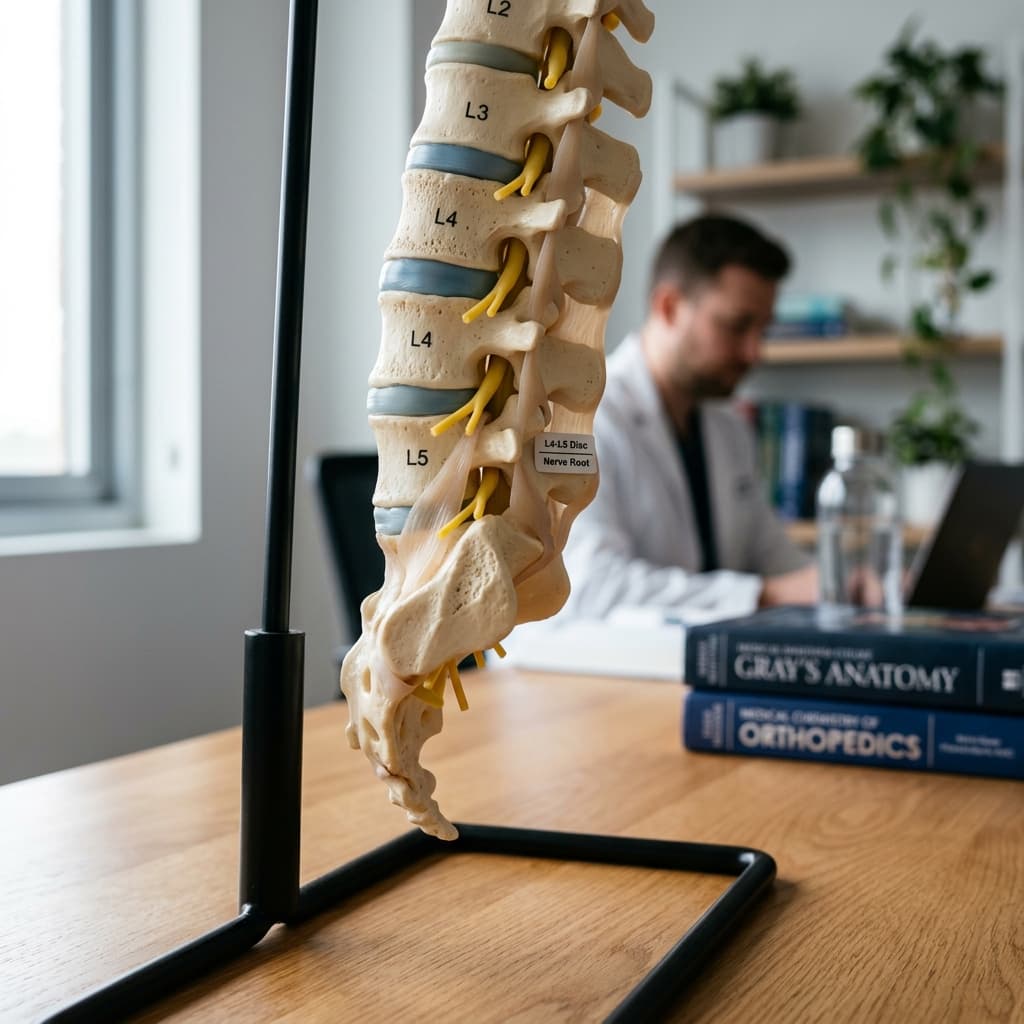
Understanding and Managing Spasticity After a Stroke: A Home Physiotherapy Guide
Spasticity is one of the most common and least understood effects of stroke — an increased, involuntary tightness in the muscles that can make everyday movement harder and, left unmanaged, can lead to lasting joint stiffness. Understanding what's actually happening makes it far easier to manage well from early in recovery.
What Is Spasticity, and Why Does It Happen After Stroke?
Spasticity is a form of increased muscle tone caused by changes in how the brain and spinal cord communicate with muscles after a stroke. It typically appears as:
- Stiffness or resistance when a limb is moved, especially when moved quickly
- Involuntary muscle tightening or spasms, sometimes triggered by movement, effort, or even stress
- A tendency for the affected arm or leg to pull into a particular position — commonly a bent elbow and wrist, or a straightened leg with a pointed foot
It usually develops gradually in the weeks and months after a stroke, rather than appearing immediately, and it varies enormously between individuals — some people have very mild spasticity that barely affects daily life, while others develop more significant tightness that needs active, ongoing management. Importantly, spasticity itself isn't dangerous, but unmanaged spasticity can lead to secondary problems: joint contractures (permanent tightening), pain, difficulty with hygiene and dressing, and skin breakdown in severe cases.
How Physiotherapy Manages Spasticity at Home
- Regular, sustained stretching: Gently moving the affected limb through its available range and holding stretches helps maintain muscle length and joint mobility — this is usually the foundation of home management and works best done consistently, little and often, rather than occasionally and intensively.
- Positioning between sessions: How a limb rests during the day — in a chair, in bed, during transfers — has a real effect on tone. Physiotherapists often provide specific positioning guidance and, where appropriate, splints to hold a joint in a better position between active sessions.
- Task-specific movement practice: Using the affected limb for real, functional tasks (within a safe range) can help manage tone while also supporting broader motor recovery, rather than treating spasticity and functional rehab as separate goals.
- Coordinated care with the wider clinical team: For more significant spasticity, physiotherapists often work alongside a neurologist or rehabilitation consultant, who may discuss additional options such as oral medication or targeted injections (like botulinum toxin) for specific muscle groups — these are clinical decisions made by the prescribing team, but physiotherapy input on which muscles are most functionally limiting is often part of that conversation.
- Monitoring for change over time: Spasticity can fluctuate — it often increases with fatigue, illness, pain elsewhere in the body, or stress. Physiotherapists track these patterns to distinguish an expected fluctuation from a genuine change that needs review.
What to Avoid
- Forcing a stretch through resistance. Spastic muscles respond better to slow, sustained, gentle stretching than to a forceful push through the point of resistance, which can trigger a stronger involuntary tightening response and risks injury.
- Long periods without any movement or stretching, which allows tightness to progress toward a genuine contracture that's far harder to reverse.
- Ignoring new or worsening pain during stretching, rather than reporting it — pain during a previously comfortable stretch can be a useful early signal worth flagging to your physiotherapist.
- Assuming spasticity is fixed and unchangeable. With consistent management, most people can maintain or improve their range of movement — it's rarely a case of nothing being possible.
When to Seek Further Assessment
Contact your physiotherapist, GP, or the stroke clinical team if you notice:
- A sudden, marked increase in stiffness or spasms that's different from your usual pattern
- New pain associated with spasticity, particularly if it's affecting sleep or daily activities
- Skin redness, breakdown, or difficulty keeping an area clean due to a limb being held in a fixed position
- A joint that seems to be losing range of movement despite regular stretching
A sudden increase in spasticity can sometimes be a sign of something else — such as an infection, a new area of pain, or even a change in the underlying condition — so it's always worth having it properly assessed rather than assumed to be routine progression.
Spasticity Management Is an Ongoing Process, Not a One-Time Fix
Because spasticity can change over months and years, management isn't something that gets "finished" — it's an ongoing part of stroke recovery that's revisited and adjusted as needs change. Consistent, well-guided home management between formal sessions is often what makes the biggest long-term difference to comfort, joint health, and function.
Rehalign provides HCPC-registered neurological physiotherapy at home across the West Midlands, including Birmingham, Walsall, Solihull and Wolverhampton, with tailored spasticity management as part of ongoing stroke recovery care. Book a stroke rehabilitation assessment or read more about our stroke rehabilitation approach, including how we manage shoulder and arm pain after stroke.
Frequently Asked Questions
Not quite — general stiffness can come from inactivity or disuse, while spasticity specifically involves involuntary muscle overactivity caused by changes in the nervous system after stroke. The two can overlap and both respond to movement and stretching, but spasticity has a distinct underlying cause that a physiotherapist can help identify.
No — spasticity can appear at various points during recovery and isn't a sign that progress has stopped. Many people continue to make functional gains while also actively managing spasticity; the two aren't mutually exclusive.
It's more accurate to describe spasticity as managed than cured, since it stems from ongoing changes in the nervous system. That said, many people achieve very good, stable control with consistent stretching, positioning, and — where appropriate — medical input, and some see their tone reduce meaningfully over time.
No — gentle, regular stretching maintains muscle length and joint range without causing weakness. In fact, unmanaged spasticity and the joint stiffness it can lead to tend to limit function far more than appropriate stretching ever would.
This varies by individual and is best set by your physiotherapist based on how your spasticity presents, but short, frequent sessions throughout the day are generally more effective than one long session — consistency matters more than duration.