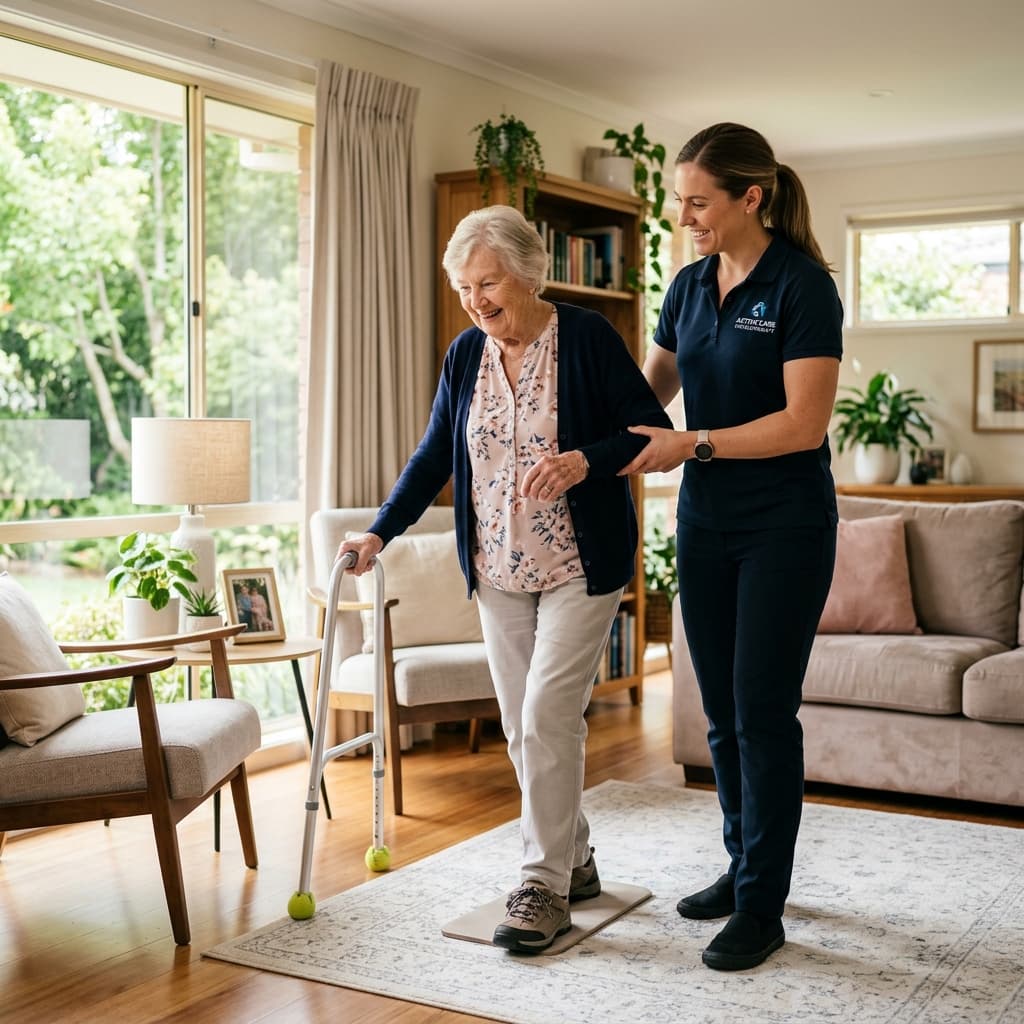
The first week home after a stroke is usually a mix of relief, tiredness and uncertainty, so the best plan is to keep things simple: take medicines exactly as prescribed, make the home safe, rest often, keep up the exercises you were given and know when to call 999. Expect good days and hard days. This guide walks you through preparing before you leave hospital, what to expect day by day and the warning signs to watch for. Your stroke team's instructions come first, and they should give you contact numbers for questions.
Going home is a big step. In hospital there were nurses and therapists around you all day, and at home you and your family may be in charge. That is normal to find daunting. Having a plan makes it less so.
Before you leave hospital: questions to ask
Ask the stroke team, and write the answers down:
- What type of stroke was it, and what is the plan to prevent another? This often includes medicines for blood pressure, cholesterol and blood thinning.
- Which medicines should I take, when and what are the side effects? Ask for a written list.
- What help will I get at home? Early Supported Discharge (ESD) teams visit some people at home for rehabilitation. Our guide to NHS versus private home visit stroke rehab explains how this works and when private physiotherapy can fill gaps.
- What equipment do I need? Frames, a commode, a shower seat or a raised toilet seat may be needed.
- What exercises should I do, and what should I avoid?
- Who do I call, and for what? Get the stroke team, therapy team and GP surgery numbers.
- When are my follow-up appointments?
- What about driving, work and flying? You will usually be told to stop driving for a period and to tell the DVLA. Do not drive until you have been given clear advice.
Get the home ready
You do not need to do everything at once. Start with the essentials. Our guide to home modifications after a stroke goes into detail.
- A clear, well-lit route from bed to toilet to living area, with no rugs or trailing wires
- A safe chair and bed height, and a commode if the toilet is far
- Grab rails and non-slip mats in the bathroom
- Phone within reach, and a list of emergency and key numbers beside it
- Food that is easy to prepare, such as ready meals and easy-open packaging
- A pill organiser for medicines
- A plan for who will be around, particularly in the first few days
Day by day: a gentle guide
This is a general picture. Your own experience will vary.
Days 1 and 2: Settling in
- Expect to be very tired. The journey home, new noises and the change from hospital routine use a lot of energy.
- Keep to a simple routine: wake, wash, eat, rest, exercise, rest, eat, sleep.
- Take all medicines as prescribed. Do not stop or change them without medical advice, even if you feel better.
- Keep visitors to a minimum.
Days 3 and 4: Finding a rhythm
- Start your home exercises if the physiotherapist gave you some. Short sessions, several times a day.
- Practise getting up and sitting down safely, and moving around the home with whatever aid you were given.
- Notice what tires you the most, and plan around it. Our guide to post-stroke fatigue can help.
- Eat and drink regularly.
Days 5 to 7: Taking stock
- Review the week: what helped, what was hard, what needs changing at home?
- Check you know when your next appointments are, and that therapy has been arranged.
- Write down questions for your GP or therapists.
- Do something small that you enjoy, such as a favourite programme, a call with a friend or sitting in the garden.
Moving safely at home
- Take transfers slowly. Sit on the edge of the bed for a minute before standing. Wait to feel steady before you walk.
- Use your aid every time, even for a few steps.
- Never pull on the weak arm, and ask helpers not to pull on it.
- Wear sturdy footwear indoors.
- Practise with a helper until your therapist says you can practise alone. Our family guide on helping a stroke survivor with home exercises is a good read for relatives.
- Sit well. If you are sitting a lot, change position often. Gentle exercises such as those in our seated balance exercises guide can help once your team says they are safe.
Feelings and thinking
It is normal to feel tired, tearful, frustrated, anxious or low, and for family members to feel the same. Some people also notice changes in memory, concentration or speech. These often improve gradually, but tell your stroke team or GP about them.
If low mood, anxiety or hopelessness lasts more than a couple of weeks, ask your GP for help. Support is available, and asking is not a weakness.
How family and carers can help
- Help with practical jobs such as meals, medicines and appointments
- Let the person do what they can, even if it is slow
- Learn safe ways to help from the therapists
- Give them time to speak, and do not finish their sentences unless they ask you to
- Plan visitors so that the person does not become overwhelmed
- Look after yourself too. Sleep, eat and ask others for help.
The Stroke Association helpline on 0303 3033 100 can offer advice and support to survivors and families.
What rehabilitation looks like in the first week
The NHS says that recovery depends on how much the stroke has affected you and on your rehabilitation plan, which may include physiotherapy, occupational therapy, speech and language therapy and support for mood and tiredness. In the first week at home, the goals are usually:
- Keeping safe, particularly with moving, stairs and the bathroom
- Keeping any weak limbs supported and moving as advised
- Doing small, regular exercises
- Getting enough rest and sleep
Our article on the first six weeks after a stroke shows what typically follows, and how often a stroke patient should do physiotherapy at home explains how much practice is helpful.
Warning signs: when to get help
⚠️ Call 999 immediately if you see signs of another stroke
Use the FAST test: Face drooping, Arm weakness, Speech difficulty, Time to call 999. Also call 999 for sudden loss of vision, sudden severe headache, confusion, or trouble swallowing or breathing. See the NHS stroke guide.
Call 999 or go to A&E after a fall if you hit your head and feel drowsy or sick, have severe pain, or cannot move a limb. Also call for chest pain or severe breathlessness.
Call NHS 111 or your GP soon if you have a painful, swollen, red or hot calf (signs of a blood clot), a fever or cough with choking while eating or drinking, new confusion, very low mood, or trouble taking your medicines.
If you are unsure, call 111.
When to consider extra help at home
Some people get a visiting NHS team. Others find there are gaps in how often they are seen, or they want more practice with a physiotherapist who can come to the home, see how they move around and teach the family. A home physiotherapist can:
- Check safety on the stairs, in the bathroom and getting in and out of bed
- Build a programme that fits your energy levels
- Show family how to help safely
- Work with your GP and stroke team
Want a physiotherapist to help you settle in at home? Book a stroke rehabilitation home assessment. The cost is £90 for 60 minutes, and no GP referral is needed.
This guide is general information, not personal medical advice. Always follow the instructions from your stroke team and GP.
Frequently Asked Questions
Expect tiredness, a change in routine and a mix of emotions. Focus on taking your medicines, making the home safe, resting, doing the exercises you were given and knowing when to call 999. Keep visitors to a minimum at first.
More than you might expect. Fatigue is common, so plan rests through the day and avoid overdoing it on good days. Short rests of 10 to 20 minutes can help, but try not to sleep for long periods during the day.
It depends on how the stroke has affected you. Ask your stroke team whether it is safe to be alone, and for how long. Many people have someone with them in the first days. A pendant alarm or a phone within reach can add safety.
Most people start gentle exercises as soon as they get home, if their therapist has given them a programme. Do only what your therapist recommends, in short sessions, and stop if you feel dizzy, in pain or very tired.
Call 999 straight away if you notice any sign of another stroke: face drooping, arm or leg weakness, speech problems, sudden loss of vision or sudden severe headache. Also call after a bad fall or if you have chest pain.